Visas
UK Student visa costs in 2026: what to budget for
The application fee, health surcharge and living cost requirement for a UK Student visa, explained with the latest GOV.UK figures.
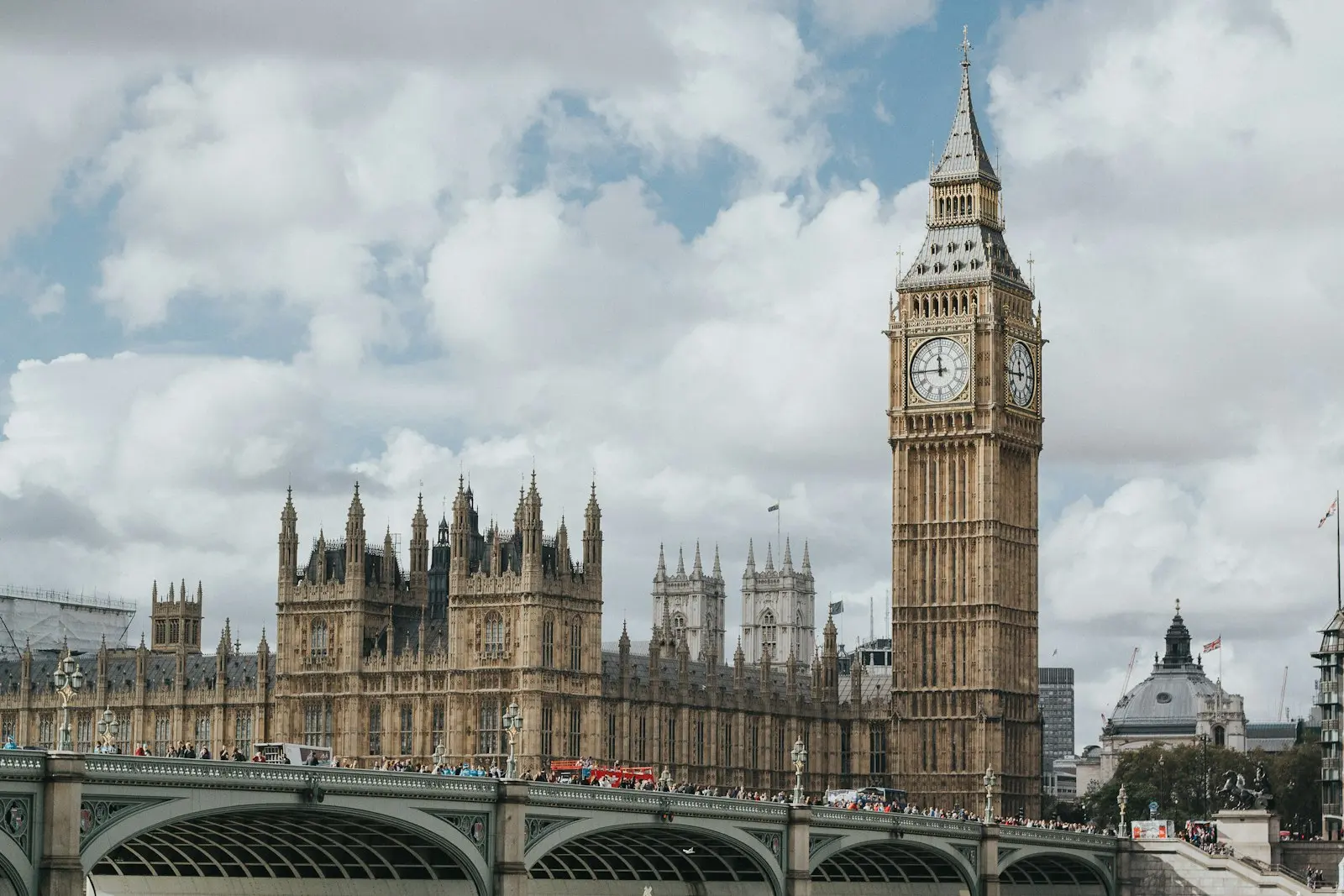
World-renowned universities, shorter degrees and a post-study work route.
The United Kingdom is home to some of the world's oldest and most internationally recognised universities. In England, Wales and Northern Ireland most bachelor's degrees take three years and many taught master's programmes take one year, which can reduce the total time and living costs of a degree compared with longer systems.
Fees, visa rules and deadlines change regularly. This guide was last reviewed on 14 October 2026 for 2026/27 entry. Figures are estimates for planning; always confirm with the university and the official sources listed below.
Higher education is organised separately in England, Scotland, Wales and Northern Ireland, but qualifications are recognised across the UK.
The academic year usually runs from September or October to June. You can check whether an institution can award recognised UK degrees using the UK government's official guidance.
To study on a Student visa, your course must be offered by a licensed student sponsor. The Home Office publishes the register of licensed sponsors.
UK universities offer programmes in business and management, computing and data science, engineering, health and life sciences, law, social sciences, and the creative arts.
Professional programmes such as medicine, nursing, pharmacy and law have additional entry requirements and limited places for international students. Course availability, accreditation and entry requirements differ between universities, so we check them for each programme on your shortlist.
International tuition fees are set by each university and depend on the subject and level.
Undergraduate (2026/27 examples from university fee pages):
| University | Published international fee per year |
|---|---|
| Keele University | £17,100 to £29,800 depending on fee band |
| University of Reading | £25,850 (non-laboratory) or £30,650 (laboratory-based) |
Across the university pages we reviewed, most mainstream undergraduate courses fall roughly between £17,000 and £31,000 per year. Medicine and veterinary science can cost considerably more. Many universities also apply annual fee increases for continuing students.
Postgraduate fees vary widely by subject and university. We provide the exact fee for each course on your shortlist.
These are estimates for planning only. Always confirm the current fee on the university's own course page.
UK Visas and Immigration sets a minimum amount you must show for living costs (maintenance) when you apply for a Student visa:
| Where you study | Required per month | Maximum required (9 months) |
|---|---|---|
| London | £1,529 | £13,761 |
| Outside London | £1,171 | £10,539 |
You must also show any unpaid tuition fees for your first year. The money must be held for at least 28 consecutive days, ending no more than 31 days before you apply.
Your actual living costs depend on your city, accommodation and lifestyle, and are often higher than the visa minimum, especially in London.
Entry requirements are set by each university and course.
Most applications also need a personal statement and at least one academic reference. Undergraduate applications are usually made through UCAS; postgraduate applications go directly to the university.
For a Student visa you must prove English at CEFR level B2 for degree-level study or B1 for study below degree level. Accepted evidence includes:
Universities often set their own, higher requirements (for example, a minimum IELTS score for each skill), so check each course.
Planning timeline: start 9 to 12 months ahead. UCAS sets an equal consideration deadline each year for undergraduate applications, usually in late January for courses starting the following autumn. You can apply for your visa up to 6 months before your course starts, once your university has issued your Confirmation of Acceptance for Studies (CAS).
Typical documents for a UK Student visa application include:
Translations are needed for any document not in English or Welsh.
Student visa key facts (from GOV.UK):
The decision on every visa application is made by UK Visas and Immigration.
Want help preparing your visa documents?
We explain the requirements and check your documents before you apply.
Talk to a counsellorThe Graduate visa lets eligible students stay in the UK to work or look for work after successfully completing a degree.
| Application date | Length of Graduate visa |
|---|---|
| On or before 31 December 2026 | 2 years |
| On or after 1 January 2027 | 18 months |
| PhD or other doctoral qualification | 3 years |
Students starting a course in 2026 or later will usually apply after 1 January 2027, so the 18-month duration is likely to apply. The application fee is £937 plus the Immigration Health Surcharge. You must apply from inside the UK while your Student visa is still valid.
The Graduate visa does not lead directly to settlement, but you may be able to switch to another work visa if you meet its requirements.
Student life centres on clubs and societies, including cultural and faith societies, sports and volunteering. Halal food is widely available in major cities. Your Immigration Health Surcharge gives you access to NHS healthcare.
Students on a degree-level course at most universities can work up to 20 hours a week during term time and full-time during official vacations. Some types of work are not allowed, and your university may set lower limits.
You must show £1,529 per month for courses in London or £1,171 per month elsewhere, for up to 9 months, plus any unpaid first-year tuition. The money must be held for 28 consecutive days.
Two years if you apply on or before 31 December 2026, and 18 months if you apply on or after 1 January 2027. PhD graduates receive three years.
Official and institutional sources
Visas
The application fee, health surcharge and living cost requirement for a UK Student visa, explained with the latest GOV.UK figures.
Dream Beyond Borders.
Tell us about your education and goals. A counsellor will review your profile and contact you to arrange a free consultation.